1. Basic Nursing & Home Care Skills
Training Programs
* Understanding the role and limits of a caregiver
* Basic anatomy and physiology
* Personal hygiene and grooming
* Bathing, dressing and toileting
* Bed making and environmental hygiene
* Feeding and hydration
* Safe repositioning and mobility
* Prevention of pressure sores
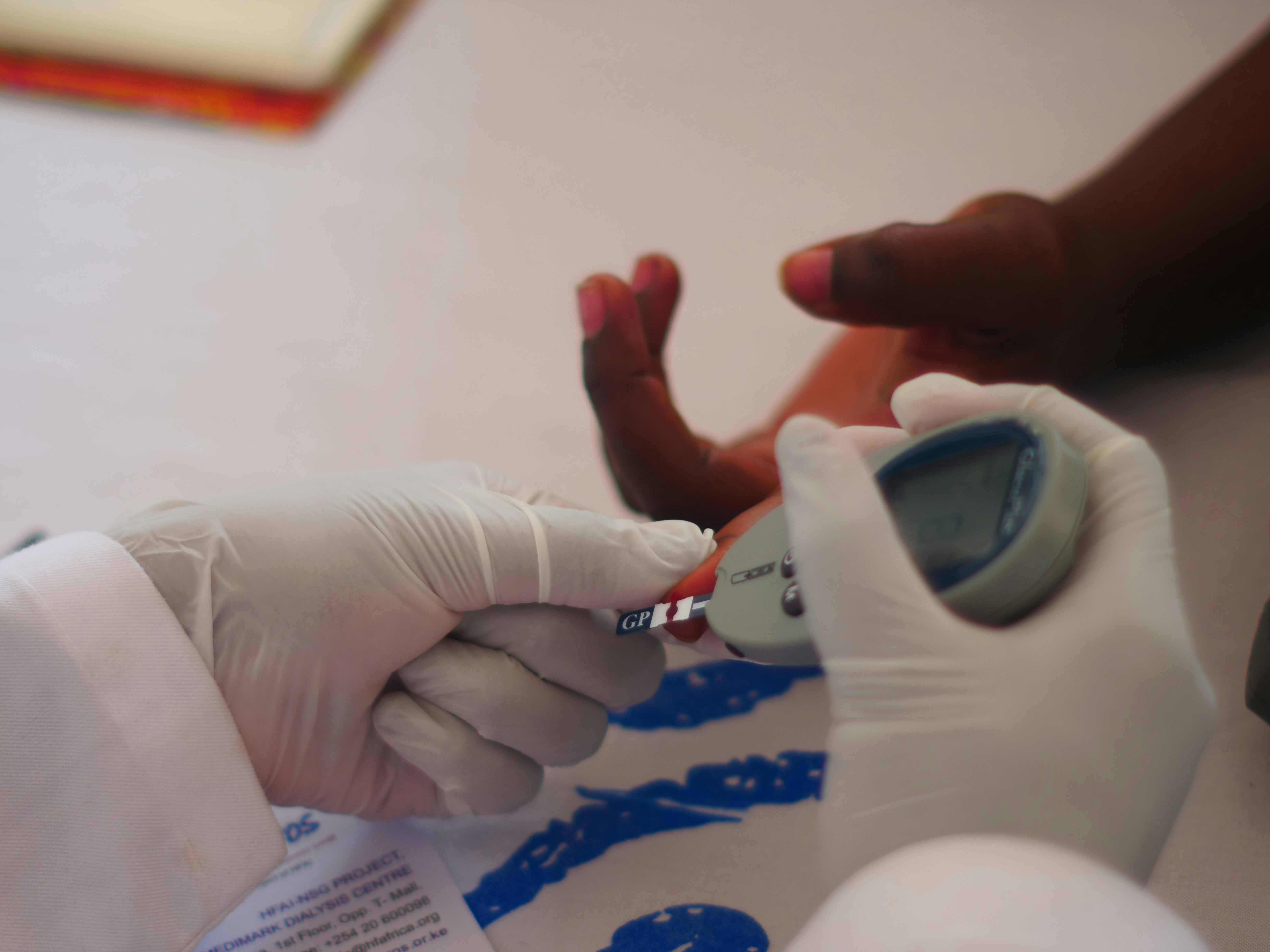
* Monitoring and recording vital signs
* Recognising changes in a client’s condition
* Proper documentation and reporting
2. First Aid & Basic Life Support
* CPR and adult basic life support
* Choking management
* Management of bleeding
* Fainting and seizures
* Burns and minor injuries
* Falls and fractures
*Emergency response and when to call for help
* Safe patient transportation
3. Care of Patients with
common Diseases
* Stroke
* Hypertension
* Diabetes
* Heart disease
* Arthritis
* Asthma
* Chronic respiratory diseases
* Cancer
* Dementia
* Parkinson’s disease
* Kidney disease
* Post-operative recovery
4. Stroke Patient
care
* Positioning
* Mobility and transfers
* Communication difficulties
* Swallowing difficulties
* Feeding safety
* Pressure injury prevention
* Exercises prescribed by professionals
* Recognising aspiration
* Recognising deterioration
* Supporting rehabilitation
5. Dementia & Mental
Health care
* Alzheimer’s disease and dementia
*Communication with confused clients
* Managing agitation
* Preventing wandering* Maintaining dignity
* Supporting clients with depression and anxiety* Appropriate boundaries
* Recognising emergencies and escalation
6. Infection prevention
and control
* Hand hygiene
* Use of gloves, masks and other PPE
* Standard precautions
* Cleaning and disinfection
* Waste disposal
* Prevention of cross-infection
* Handling soiled linen
* Basic wound-care precautions
* Infection warning signs
7. Infection prevention
and control
* Hand hygiene
* Use of gloves, masks and other PPE
* Standard precautions
* Cleaning and disinfection
* Waste disposal
* Prevention of cross-infection
* Handling soiled linen
* Basic wound-care precautions
* Infection warning signs
8. Nutrition &
feeding
* Balanced nutrition for elderly and sick clients
* Hydration
* Feeding dependent clients
* Safe positioning during meals
* Recognising choking
* Special diets
* Diabetes-friendly diets
* Monitoring food and fluid intake
* When to report poor appetite or difficulty swallowing
9. Care Plan & Documentation
* Read a client’s care plan
* Follow instructions
* Record vital signs
* Record meals and fluids
* Record activities
* Document incidents
* Report changes in condition
* Maintain daily care notes
* Communicate effectively during handover
10. Professionalism
* Confidentiality
* Patient privacy
* Respect and dignity
* Consent
* Professional boundaries
* Abuse and neglect prevention
* Safeguarding vulnerable adults
* Cultural sensitivity
* Communication with families
* Professional conduct
* Incident reporting
11. Communication Skills
* Elderly clients
* Stroke patients with speech difficulties
* Dementia patients
* Hearing-impaired clients
* Visually impaired clients
* Family members
* Nurses and doctors
12. Practical Home care Training
* Bed bath
* Bed making
* Transfers from bed to chair
* Walking assistance
* Use of mobility aids
* Vital signs
* Feeding
* Personal hygiene
* Incontinence care
* Pressure-area care
* Positioning
* Documentation
* Emergency response
13. Palliative and End of Life care
* Comfort care
* Pain observation and reporting
* Personal hygiene
* Emotional support
* Respect for the dying person’s dignity
* Family support
* Bereavement
* Recognising signs that a client is deteriorating
14. Care giver Safety
* Safe patient lifting and transfer
* Prevention of back injuries
* Workplace hazards
* Fire safety
* Electrical safety
* Infection exposure
* Handling aggressive behaviour
* Emergency evacuation
* Personal safety when working inside clients’ homes