1. Nursing Assessment
* Comprehensive health assessment upon admission.
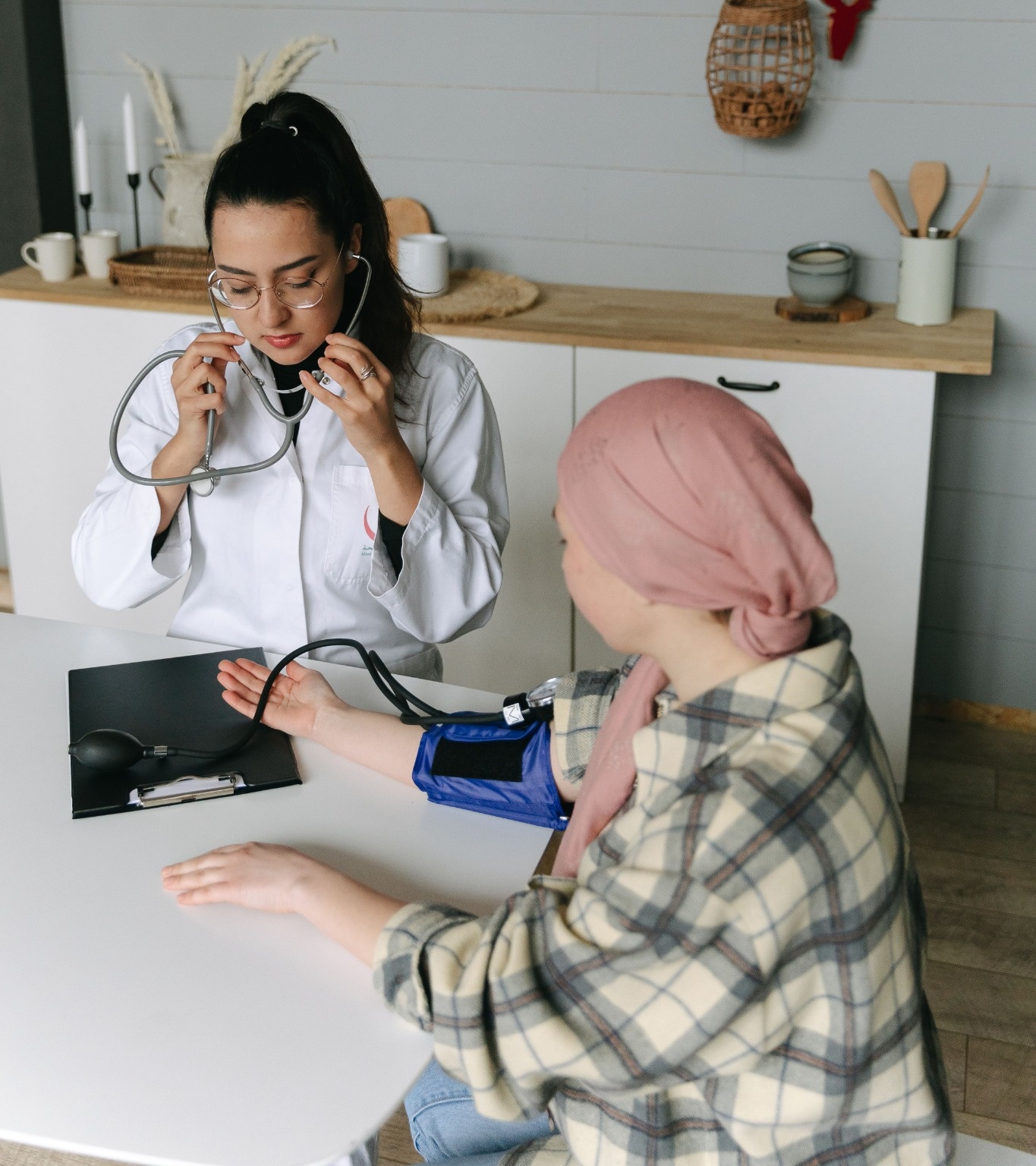
* Daily monitoring of vital signs, including blood pressure, pulse, temperature,
respiratory rate, and oxygen saturation.
* Assessment of hydration status, nutritional status, pain, and overall well-being.
2. Nasogastric Tube Management
* Verification of NG tube placement according to clinical protocol.
* Administration of prescribed enteral feeding.
* Water flushes before and after feeding and medication administration.
* Medication administration via NG tube as prescribed.
3. Diabetes Management
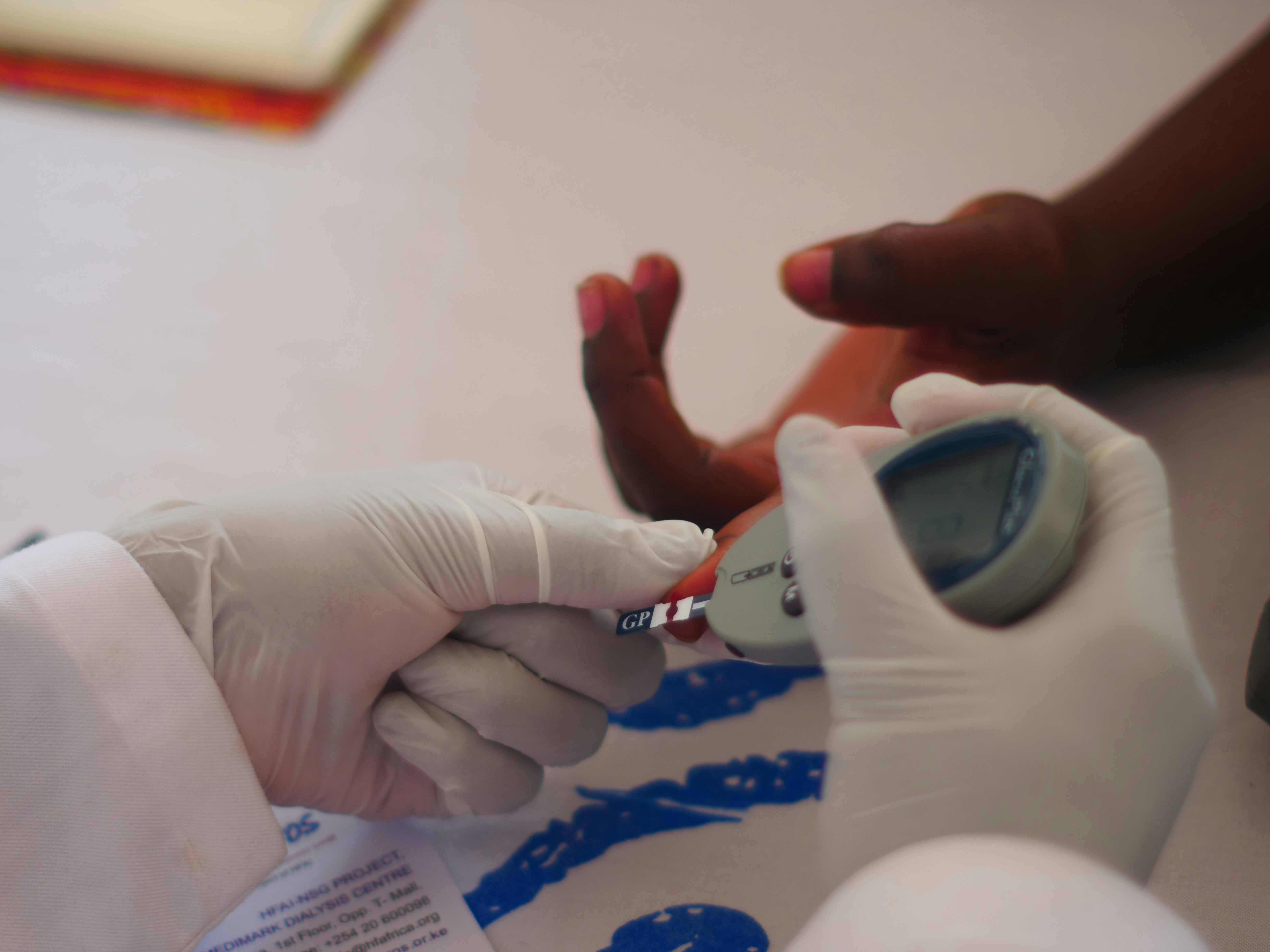
* Routine blood glucose monitoring.
* Administration of insulin or oral antidiabetic medications as prescribed.
* Monitoring for signs of hypoglycaemia and hyperglycaemia.
* Documentation of glucose readings and response to treatment.
4. Hypertension Management
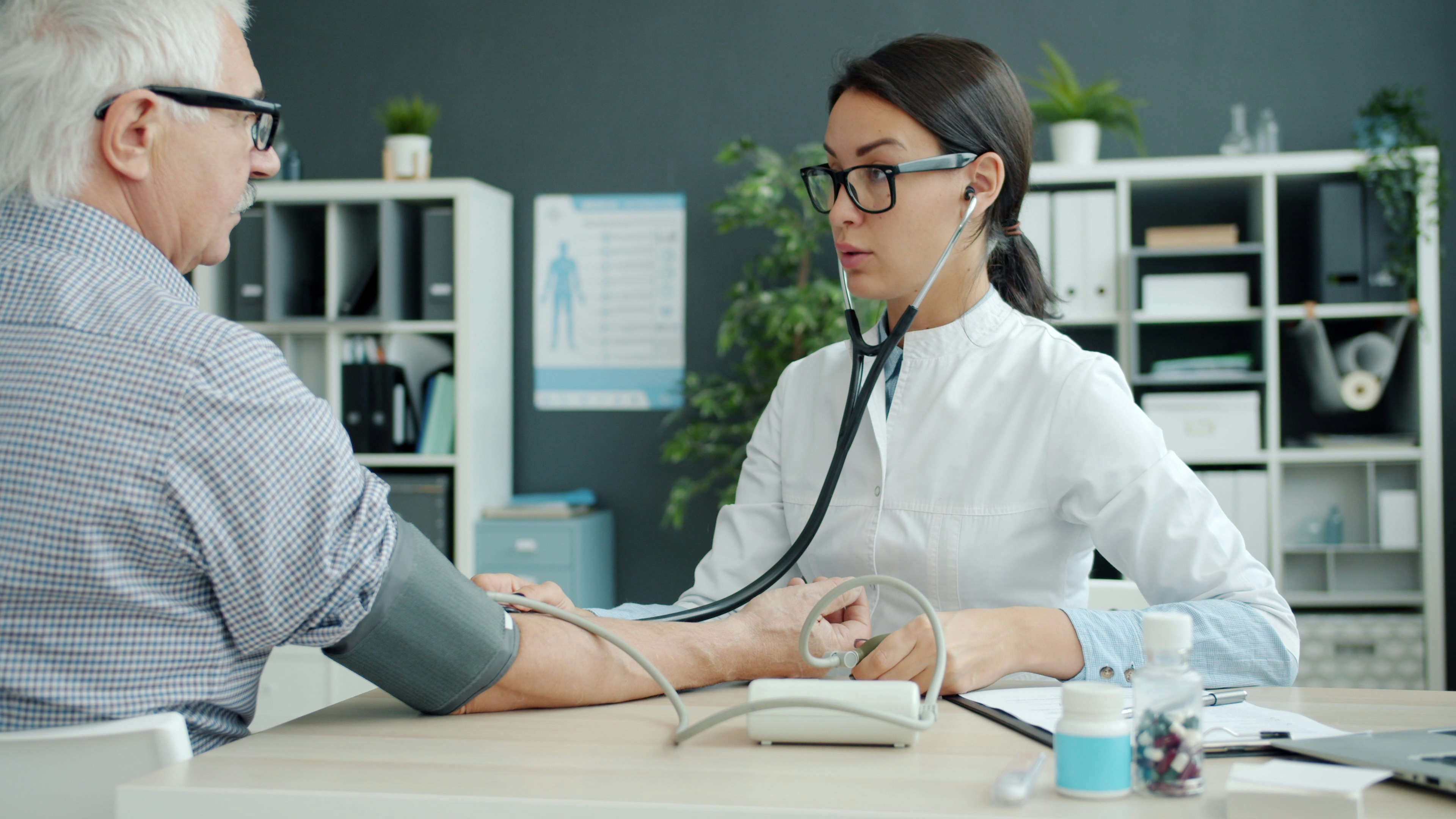
* Regular blood pressure monitoring.
* Administration of prescribed antihypertensive medications.
* Monitoring for symptoms such as headache, dizziness,
chest discomfort, or unusually high or low blood pressure.
* Prompt reporting of abnormal findings to the attending physician.
5. Pressure Injury Prevention
* Repositioning every two hours or as clinically indicated.
* Daily skin assessment.
* Pressure area care.
* Use of pressure-relieving devices where available.
6. Mobility Support
* Passive and active range-of-motion exercises as recommended.
* Safe positioning and transfer assistance.
* Prevention of contractures and muscle stiffness.
7. Medication Management
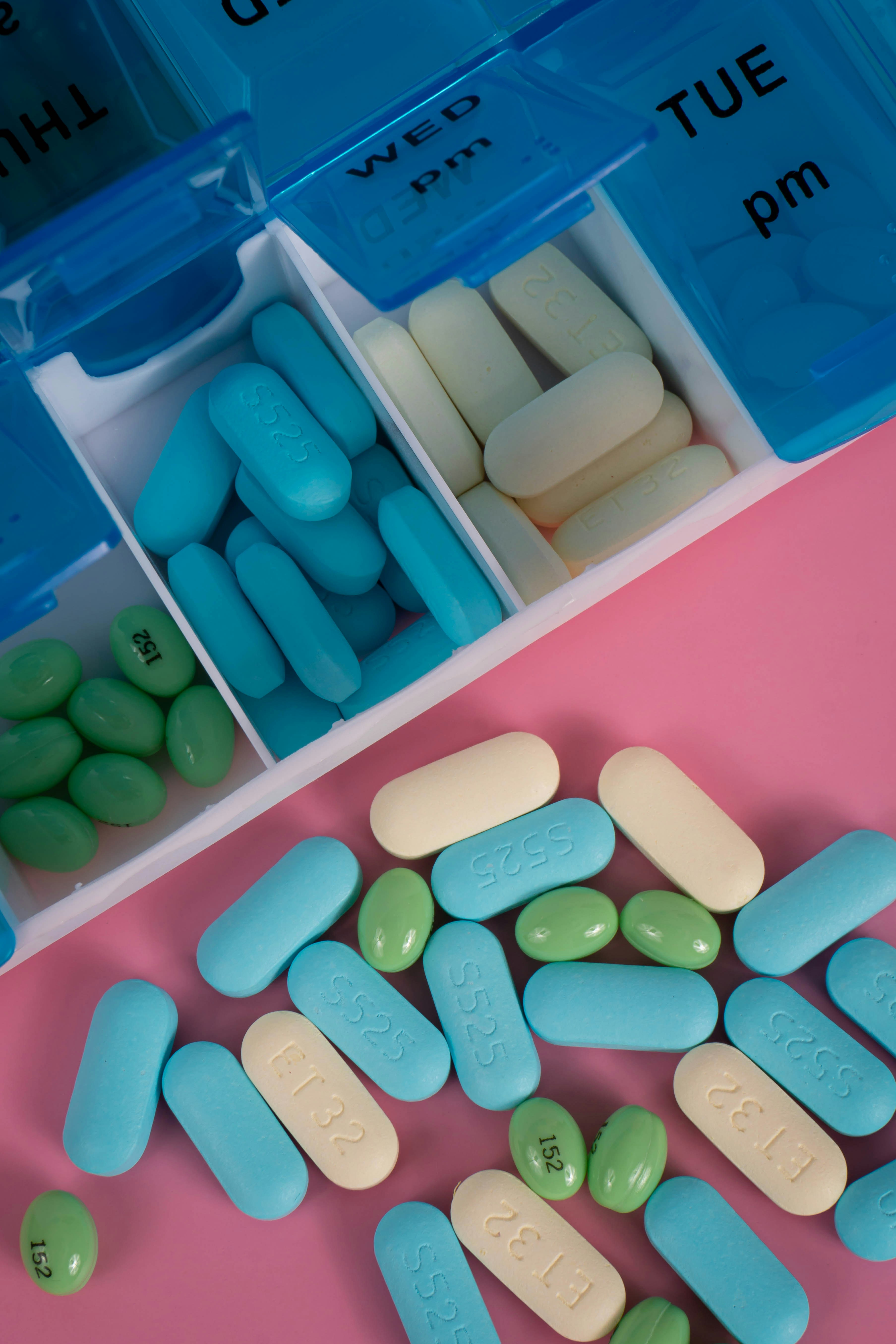
* Administration of all prescribed medications.
* Medication reconciliation and adherence monitoring.
* Observation for side effects and adverse drug reactions.